



How to Choose the Right Rash Guard for Your Child (and Why UPF 50+ Actually Matters)

If there is one item that quietly earns its spot in every beach bag, pool tote, and cottage suitcase, it is a good rash guard. It is not the flashiest piece in the swim drawer, but it might be the hardest working one. Between splash pads, boat rides, and long afternoons at the lake, a well-chosen rash guard for your child does a lot of heavy lifting: it covers the shoulders, blocks UV rays, and means one less thing to worry about while the kids are busy having fun.
Whether you call them rash guards, swim shirts, or rashies (if you picked up the term somewhere sunnier), these snug little layers have become a staple in swim bags across North America, with girls' rash guards and boys' rash guards covering kids from toddlers through tweens. Here is what actually matters when picking one out, from fabric to fit to the UPF rating on the tag.
Article Summary
A rash guard is one of the easiest ways to add reliable, wash-proof sun protection to your child's summer wardrobe. Look for a UPF 50+ rating, a snug and comfortable fit, flat seams, and quick-drying fabric that can handle chlorine and salt water. Long sleeve rash guards add extra coverage, short sleeve styles suit warmer pool days, and either way, it is one less thing to think about while your little one is busy making a splash.
Table of Contents▾
- What Exactly Is a Rash Guard?
- Why UPF 50+ Actually Matters
- Choosing a Rash Guard That Actually Fits Right
- Rash Guards for Toddlers and Little Ones
- For Girls: Rash Guards Built for Real Summer Days
- For Boys: Just as Much Coverage, Just as Much Fun
- When Should Kids Wear a Rash Guard?
- A Few Common Questions
What Exactly Is a Rash Guard?
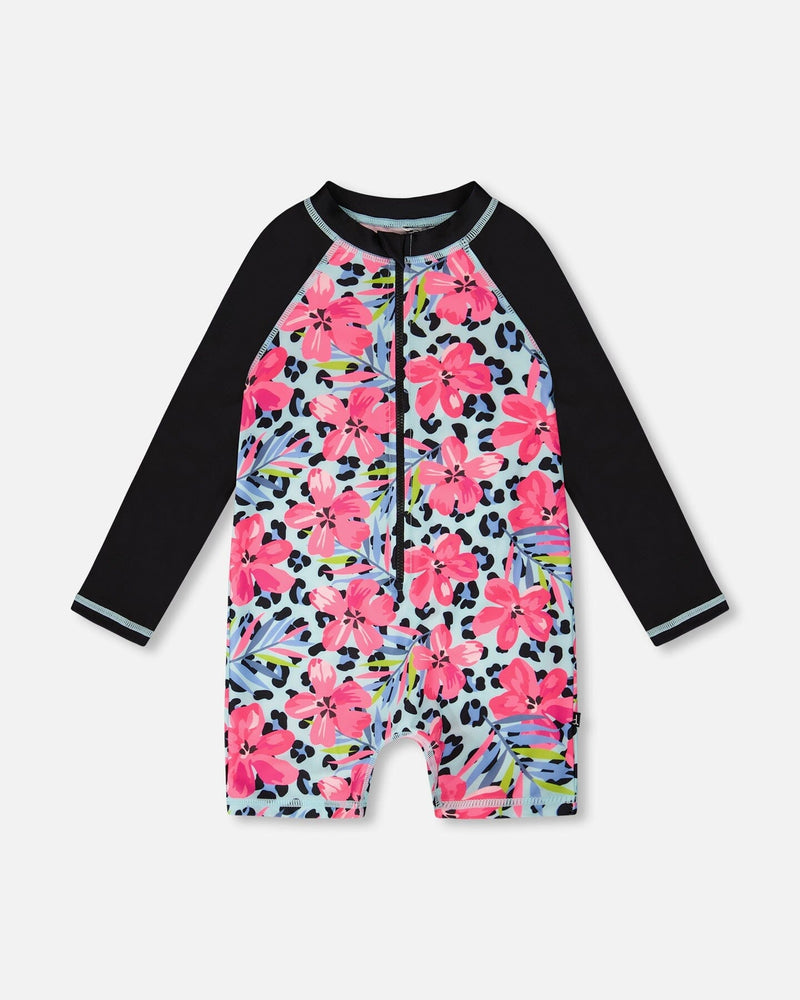
A rash guard is a snug-fitting swim shirt made from stretchy, quick-drying fabric.
Originally designed for surfers, the name comes from its original job: preventing skin irritation from repeated contact with a surfboard, sand, or salt water. For kids, the appeal goes further. Rash guards for kids add a layer of coverage on the arms, shoulders, and back, the areas that get the most sun exposure during a day at the beach or pool.
Unlike a plain cotton t-shirt thrown over a swimsuit, rash guards are built specifically for water. They dry fast, they do not sag or get heavy when wet, and many are treated to resist chlorine and salt, so they hold up through weeks of active play.
Shop our collections

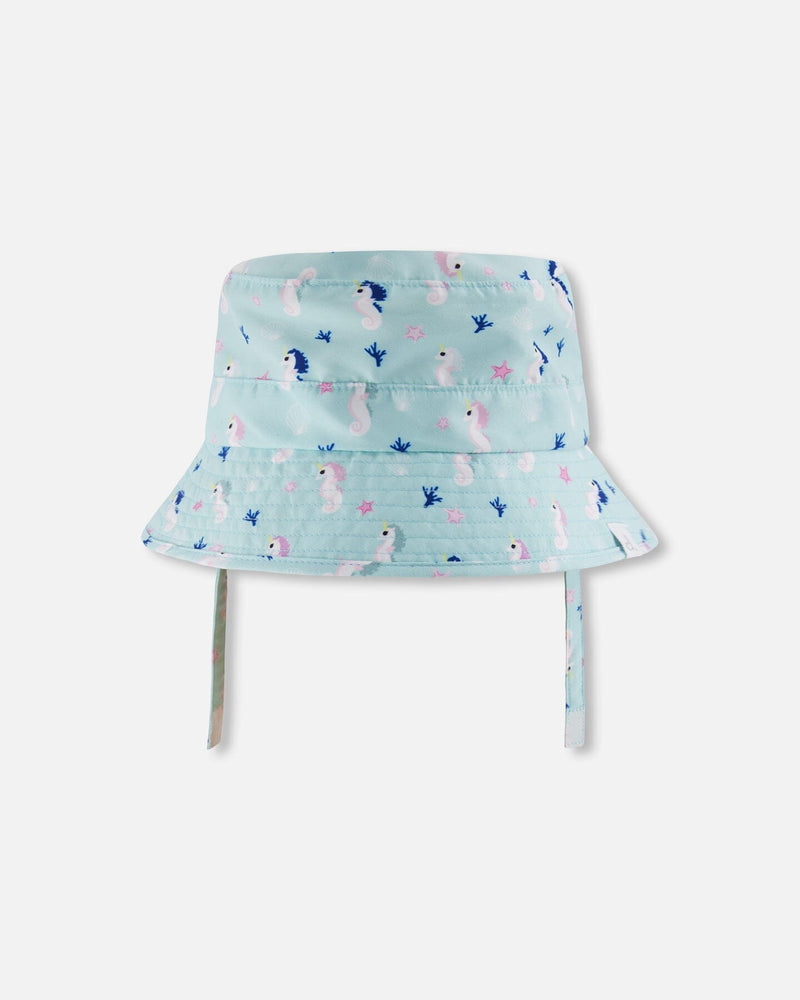
Why UPF 50+ Actually Matters
This is where things get interesting.
Sunscreen is important, but it has real limits: it needs to be reapplied every couple of hours, it washes off in the water, and it is easy to miss a spot on a wriggling toddler. Clothing does not have that problem.
A UPF 50+ rating means the fabric blocks over 98% of the sun's UV rays, consistently, for as long as your child is wearing it. According to the Canadian Paediatric Society, children's skin is especially vulnerable to sun damage, and protecting it early helps reduce the risk of sunburn and long-term skin damage. AboutKidsHealth, from Toronto's SickKids, also notes that staying out of direct sunlight during peak hours is one of the simplest ways to prevent heat-related illness in kids, and the right clothing plays a real part in that. A kids rash guard with built-in UV protection is one of the simplest ways to take sun coverage off your mental checklist, especially on days spent outdoors with no shade in sight.
UPF vs. SPF: What Is the Difference?
The two ratings sound similar, but they measure different things. UPF measures how much UV passes through a fabric, while SPF measures how long sunscreen delays sunburn on bare skin.
- UPF (Ultraviolet Protection Factor) rates how much UV radiation passes through a fabric. UPF 50+ means less than 2% gets through.
- SPF (Sun Protection Factor) rates sunscreen and measures how long it delays sunburn compared to bare skin.
- Fabric protection does not wear off with water or time the way sunscreen can, which makes it a nice complement rather than a replacement for daily sun protection.
Choosing a Rash Guard That Actually Fits Right
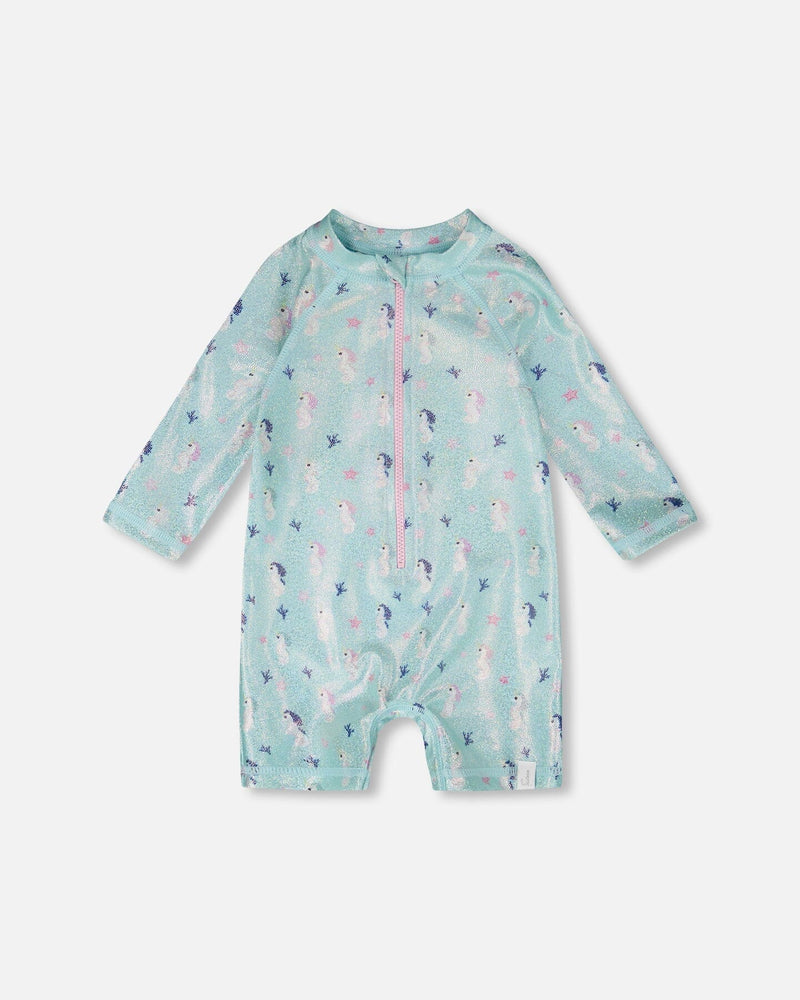
Not all rash guards for kids are created equal. A few details make a real difference in comfort and how much your child actually wants to wear it.
Long Sleeve or Short Sleeve Rash Guards?
Long sleeve rash guards offer more coverage and are a smart pick for fair-skinned kids, early-season sun, or long days on a boat. Short sleeve rash guards work well for warmer climates or kids who run hot, and they are an easy choice for everyday pool days. Either style still delivers UPF 50+ protection when the fabric is rated for it, so this comes down to coverage preference more than protection level.
Fit and Comfort
Look for:
- A snug, but not restrictive, fit through the body and arms
- Flat seams that will not rub or chafe during active play
- A round or zip neckline that is easy to get on and off, even over a wet swimsuit
- Stretch fabric that moves with kids climbing, jumping, and swimming
Fabric Quality
Quick-drying, chlorine-resistant fabric holds its shape wash after wash. At Deux par Deux, rash guards are made from REPREVE® recycled fibers, spun from recycled plastic bottles, so the fabric performs well in the water while also being kinder to the planet.
Sizing Tip
Since rash guards are meant to fit snugly rather than loosely, sizing up slightly is usually a safe bet if your child is between sizes, especially for growing kids who will get another season out of it.
Rash Guards for Toddlers and Little Ones
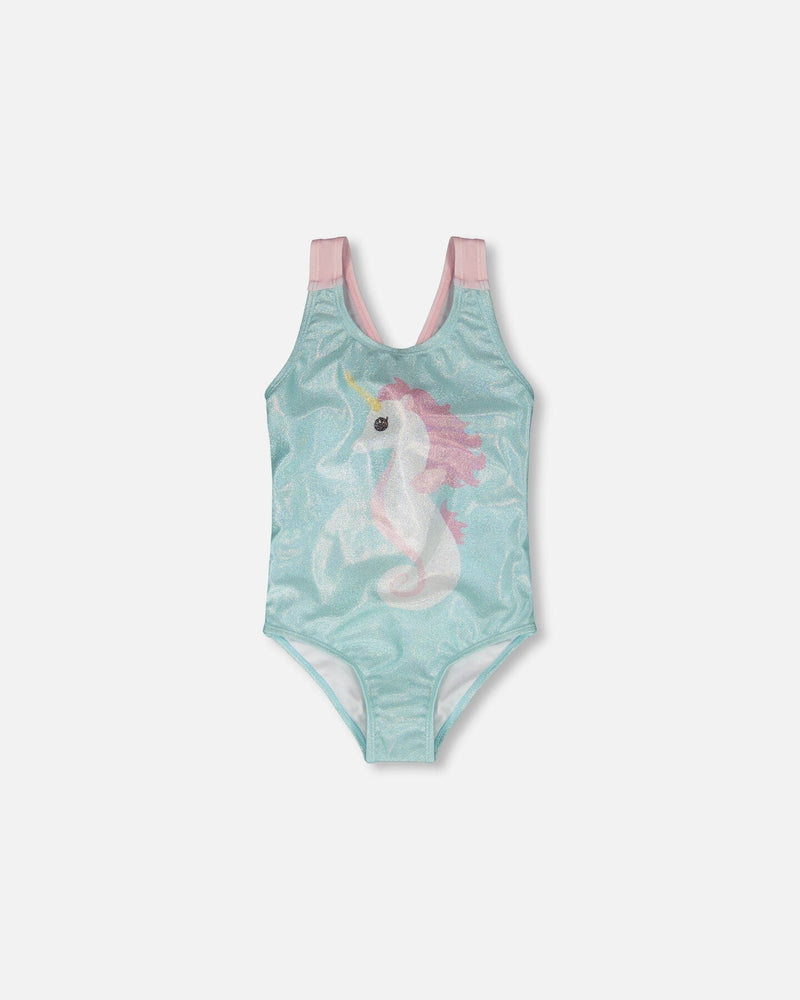
Shopping for a toddler rash guard comes with its own checklist. At this age, kids are moving nonstop, splashing in and out of the water, and not always keen on getting dressed at all, so ease of wear matters just as much as sun protection.
What Makes the Best Toddler Rash Guard?
- A wide, stretchy neckline or a toddler zip up rash guard style that goes on without a fuss over a wet swimsuit
- Snap or zip closures for a one-piece rash guard swimsuit, which keeps a swim diaper in place and skips the step of tucking in a shirt
- Soft, tagless seams that will not irritate sensitive skin
- Bright colors and fun prints that make getting dressed for the pool feel like less of a battle
Getting a wriggly toddler dressed for the water rarely goes smoothly, so the easiest fix is picking one piece that does most of the work. A one-piece rash guard swimsuit with snap closures at the crotch is hard to beat here: it goes on in one motion, keeps a swim diaper in place, and there is no separate top to wrestle over a wet, squirming body. If your toddler already has strong opinions about getting dressed, a coordinated two-piece set can help too, since letting them see the matching top and bottom laid out together tends to cut down on the protest. Either way, the goal is the same: something that goes on fast, stays on through an hour of splashing, and does not become a fight before you have even left the house.
For Girls: Rash Guards Built for Real Summer Days
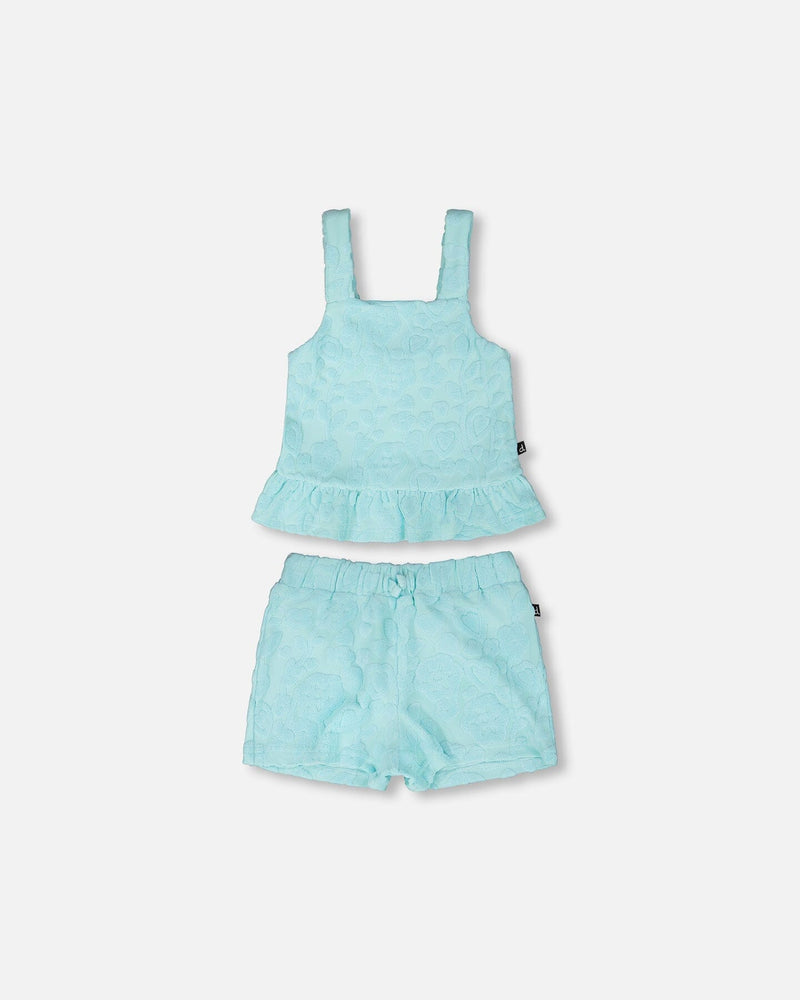
Rash guards for girls pair easily with swim bottoms, a bikini top, or as part of a one-piece rash guard swimsuit, for a coordinated look without sacrificing coverage. Playful prints and a comfortable, quick-drying fit make it easy for kids to wear these long past the pool, whether as a standalone swim shirt or as a full kids rash guard swimsuit set. Browse the full girls' rash guards collection to see the current prints and styles.
For Boys: Just as Much Coverage, Just as Much Fun
Rash guards for boys offer the same UPF 50+ protection and durable, quick-drying construction, in styles built for active kids who are in and out of the water all day. From a classic long sleeve rash guard to a breezy short sleeve rash guard or a sleeveless rash vest for extra freedom of movement, there is a fit for every kid and every kind of summer day.
Boys' rash guard sets, usually a rash guard paired with matching swim trunks, are an easy way to build a full sun-safe outfit in one go. Since kids tend to have strong opinions about color, the collection spans everything from classic navy and black to bold red, orange, and green, so picking a favorite is half the fun. Older kids and teens looking for a youth rash guard with a more grown-up cut will find options that grow with them too. Browse the full boys' rash guards collection to shop current styles and colors.

When Should Kids Wear a Rash Guard?
A rash guard earns its keep well beyond the pool deck. It is a smart layer for:
- Beach days and long afternoons in direct sunlight
- Boat trips, paddle boarding, or kayaking
- Swim lessons, especially for kids prone to sunburn
- Splash pads and water parks, where reapplying sunscreen every hour is not realistic
- Layering under a wetsuit to prevent chafing
However kids spend their pool days this summer, rash guards for kids remain one of the simplest ways to add lasting sun protection without adding another item to the packing list.

A Few Common Questions
Should Kids and Toddlers Wear Rash Guards?
Yes. Pediatric and dermatology guidelines generally point to covering up as a first line of defense against sun exposure, and a rash guard is one of the easiest ways to do that for kids of any age, from a baby rash guard onesie to a teen-sized swim shirt. It also spares little ones the sting of a missed spot of sunscreen and cuts down on chafing during active play.
What Do You Wear Under a Rash Guard?
Most kids wear their regular swimsuit underneath, a bikini top or one-piece for girls, swim trunks for boys, and some rash guards are designed to be worn on their own over swim bottoms. Either way works, since the rash guard's job is simply to add coverage and sun protection on top of whatever swimsuit your child already loves.
What Is a Kids Rash Guard and What Is Its Purpose?
A kids rash guard is a snug, quick-drying swim shirt designed to protect against sun exposure, chafing, and skin irritation in the water. Unlike a regular t-shirt, it is built to perform: it will not get heavy when wet, it dries fast between activities, and when rated UPF 50+, it blocks the vast majority of UV rays for as long as it is worn.
Where Is the Best Place to Buy Kids Rash Guards?
At Deux par Deux, rash guards for kids are designed in Montreal with UPF 50+ protection, REPREVE recycled fabric, and prints made to be worn all summer long, in the water and out of it. The full collection covers sizes from baby through age 14, so siblings can match without anyone outgrowing the fun.
However you shop for one this summer, we hope the search is quick and the days at the pool are long.