



Laundry Symbols Explained: How to Read Kids' Clothing Labels

Every clothing tag speaks a language of tiny icons: tubs, triangles, squares and dots. Learn to read them once and you will never shrink a favourite tee or fade a print again. Those symbols sit right next to a short list of fibre percentages, and together the two tell you almost everything you need to know before something new joins your child's closet, especially in summer, when a hot, clingy fabric can turn a fun day cranky fast. Once you know how to read a clothing label, laundry symbols and all, shopping gets a lot easier, and a lot less like guesswork.
Article Summary
Care labels use small laundry symbols instead of words: dots indicate temperature, a triangle with an X means no bleach, and a circle with an X is the do not dry clean symbol. Fibre content, the percentages on every label, shows how breathable a piece will feel, and natural and plant-based fabrics like organic cotton, muslin and viscose breathe best in summer. Checking both before checkout is the easiest way to build a summer wardrobe that stays comfortable all season.
Table of Contents▾
- Cracking the Code: What's Actually on a Clothing Label
- Why Fabric Matters More Once Temperatures Rise
- The Fabrics Worth Looking For in Summer
- Fabrics and Blends to Watch Out For
- A Quick Label-Reading Checklist for Shopping Day
- How Deux par Deux Builds Summer-Ready Pieces
- Making Label Reading Second Nature
- Frequently Asked Questions
Cracking the Code: What's Actually on a Clothing Label
Every label is really two labels in one: a set of care instructions and a fibre content statement.
Learning to separate the two, and knowing how to read labels on clothes in general, makes the whole tag much easier to interpret. We will start with the part that trips up most parents: the symbols.

Care Labels and Laundry Symbols: What They're Really Telling You
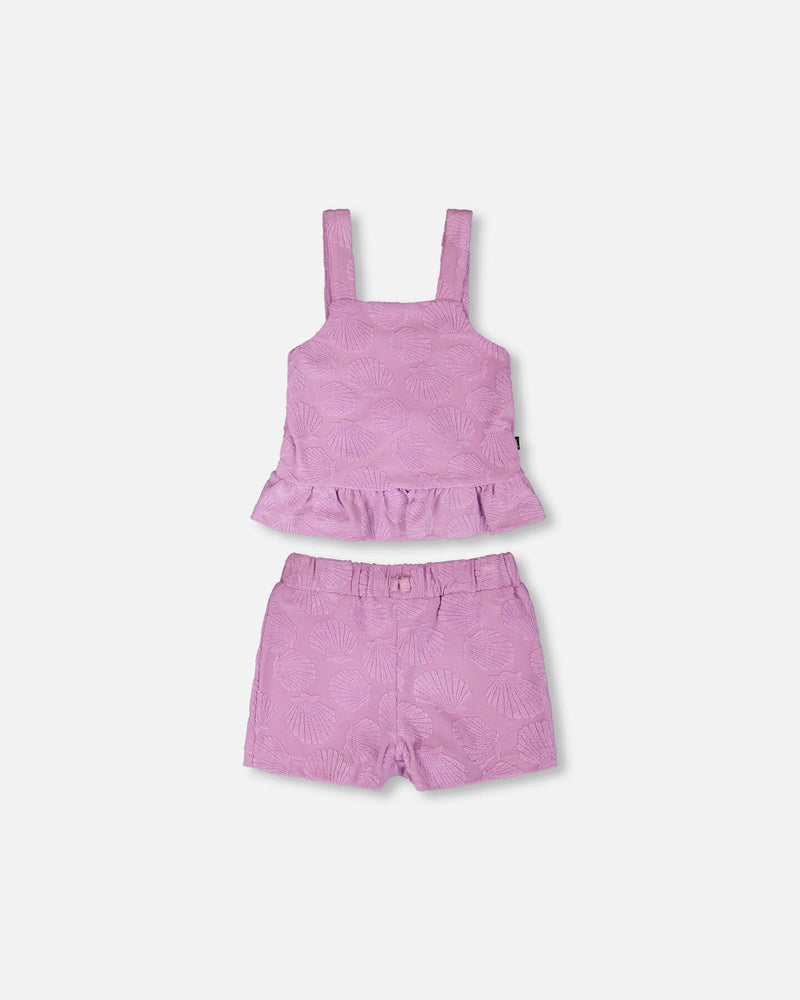
The small icons on every tag, the washtub, the triangle, the square, the iron, are not decoration. Together they form a compact set of laundry symbols, a kind of visual shorthand that tells you how to keep a garment looking and breathing its best, wash after wash. Misreading these care symbols is one of the fastest ways to shrink a favourite summer tee or fade a print after just a few trips through the wash.
Here is a quick guide to what the most common clothing symbols actually mean.
Washing Machine Symbols and Water Temperature
The washtub icon anchors most care labels, and it is usually the first laundry icon parents look for. Inside that tub, you will often see one to three dots.
- One dot means cold water.
- Two dots mean warm water.
- Three dots mean hot water.
Reading these dots correctly is the difference between a machine wash cold cycle that keeps colours from bleeding and a hot wash that can shrink a garment or fade a print. As a general rule, cold water is gentler on both natural fibres and printed graphics, which is why so many kids' items are labelled for cold water washing in the first place.
A washtub showing a hand is the hand wash symbol, telling you the piece should be washed by hand instead of tossed into the washer. An X drawn straight through the washtub means no washing at all, by machine or by hand.
Gentle Cycle, Bleach and the Triangle With an X
A washtub with a line underneath usually points to a gentle cycle or reduced agitation setting, common for delicate garments or looser knits. Right next to the washtub, you will often spot a plain triangle. That triangle is the bleach symbol, and it is worth reading carefully:
- An empty triangle means bleach is fine.
- A triangle with two diagonal lines inside it means only non-chlorine bleach is safe.
- A triangle with an X through it means no bleach at all, of any kind.
That last one, the triangle with an X, shows up often on brightly coloured or printed kids' items, since bleach can strip colour and cause accidental damage to a print in just one wash.
Drying Symbols, Including the No Dryer Symbol
A square with a circle inside represents the dryer. Dots inside that circle work the same way as on the washer: more of them mean higher heat. A square with a circle and an X through it is the no dryer symbol, meaning the item should air dry instead of tumbling through heat. This shows up often on stretchier fabrics and pieces containing elastane, since high heat can wear down that stretch over time and lead to accidental damage in the fit.
A plain square with horizontal lines inside usually means dry flat, while a square with a curved line near the top suggests hang to dry instead.
Ironing and Dry Cleaning Symbols
The iron icon follows the same temperature logic as the washer and dryer symbols: more dots inside the iron mean a higher heat setting is safe. An iron with an X through it means skip ironing altogether, which is common on pieces with prints, embroidery or synthetic trims.
A circle usually points to dry cleaning instructions. A plain circle means the item can be dry cleaned, while a circle with an X through it is the do not dry clean symbol, telling you a professional dry cleaner is not needed, and in most cases not recommended, for that garment. You will rarely see this one on everyday kids' pieces, since most children's items are designed for regular machine washing rather than a trip to the cleaner.
Want this on hand without pulling up your phone mid laundry pile? We put the whole system, tubs, triangles, squares and every icon in between, onto one printable laundry symbols chart you can print and stick right on the wall above your machine.
Download the printable chart here.
Fibre Content: The First Thing to Check

Once the symbols make sense, the other half of the label is the list of percentages, something like "95% organic cotton, 5% elastane." It tells you exactly what the garment is made from, and it is the single most useful piece of information for judging breathability.
A few quick rules of thumb:
- Higher natural fibre content usually means better airflow. Cotton, muslin and viscose all allow air to pass through the weave more easily than fully synthetic fabrics.
- A small percentage of stretch fibre, like elastane, is normal and fine. It adds flexibility for active kids without significantly changing how the garment breathes.
- A majority synthetic blend will trap more heat. This does not make an item unwearable, but it matters more on a scorching July afternoon than during a cool spring morning.
Shop our collections
Why Fabric Matters More Once Temperatures Rise
In winter, layering hides a lot of sins. A slightly less breathable base layer under a sweater rarely gets noticed. In summer, there is nowhere to hide. A single top or dress is doing all the work, so the fabric itself becomes the main character of the whole outfit.
Kids also regulate temperature differently than adults do. Their bodies heat up faster during play and cool down less efficiently, which is part of why overheating and heat rash show up more often in warm months. If a real heatwave hits, fabric choice stops being a nice-to-have and becomes the whole strategy. Even on an ordinary hot day, it plays a bigger role than most parents realize, and it starts with the label.
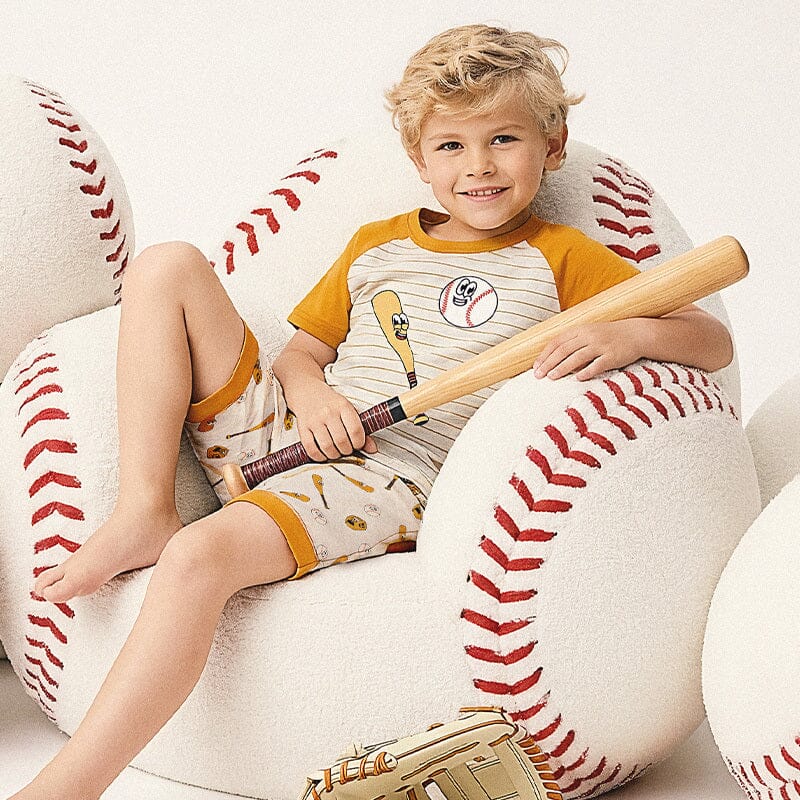
The Fabrics Worth Looking For in Summer
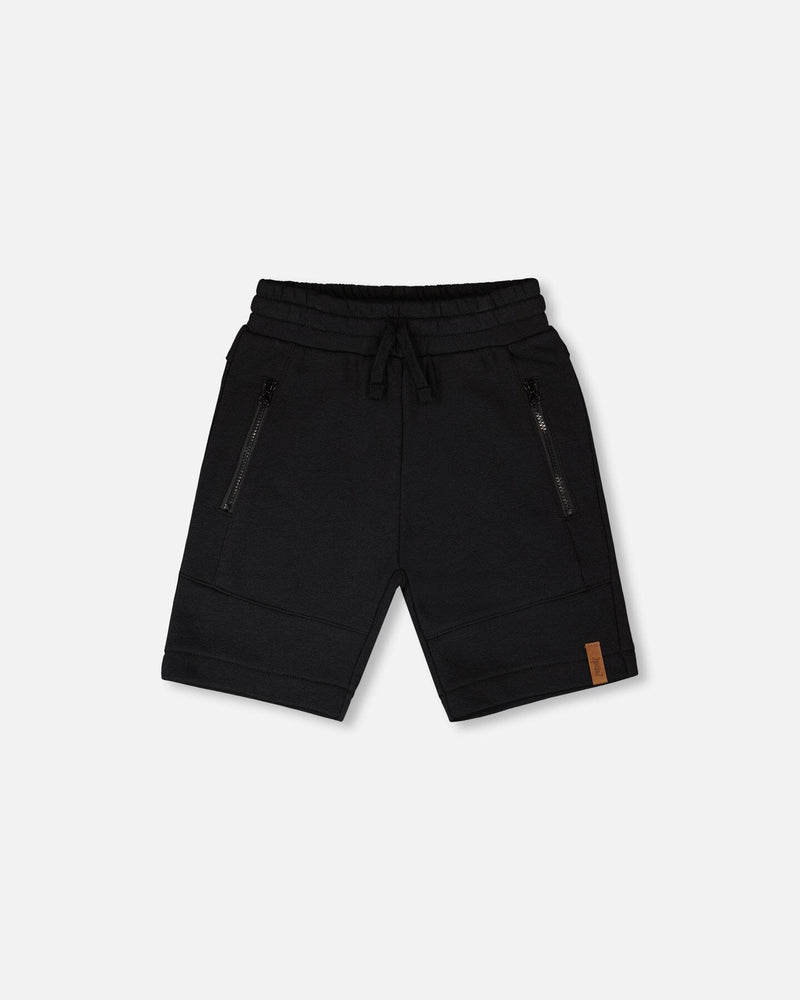
Once you know how to scan the fibre content line, here is what tends to perform best when the mercury climbs:
- Organic cotton: Soft, breathable and gentle on sensitive skin, it lets air move freely and holds up well to daily wear and frequent washing.
- Muslin: A lightweight, loosely woven cotton fabric that feels airy against the skin, ideal for the hottest days.
- French terry: Slightly heavier than a basic tee fabric but still breathable, with a soft loop texture that works well for sets and casual layers on cooler summer evenings.
- Viscose: A fluid, silky fabric that feels cool to the touch and moves easily, often used in flowy dresses and lightweight tops. Because it drapes so well, some viscose pieces call for a hand wash to help them keep their shape wash after wash.
Fabrics and Blends to Watch Out For
Not every summer-looking piece is built for summer performance. A few things worth a second glance on the label:
- Fully synthetic fabrics with no natural fibre content. These can look breezy but often trap heat and moisture against the skin.
- Tightly woven, heavier blends originally designed for cooler seasons, sometimes repackaged in bright summer prints.
- Vague or missing fibre content. If a label does not clearly state percentages, it is hard to know what you are actually buying.
A Quick Label-Reading Checklist for Shopping Day
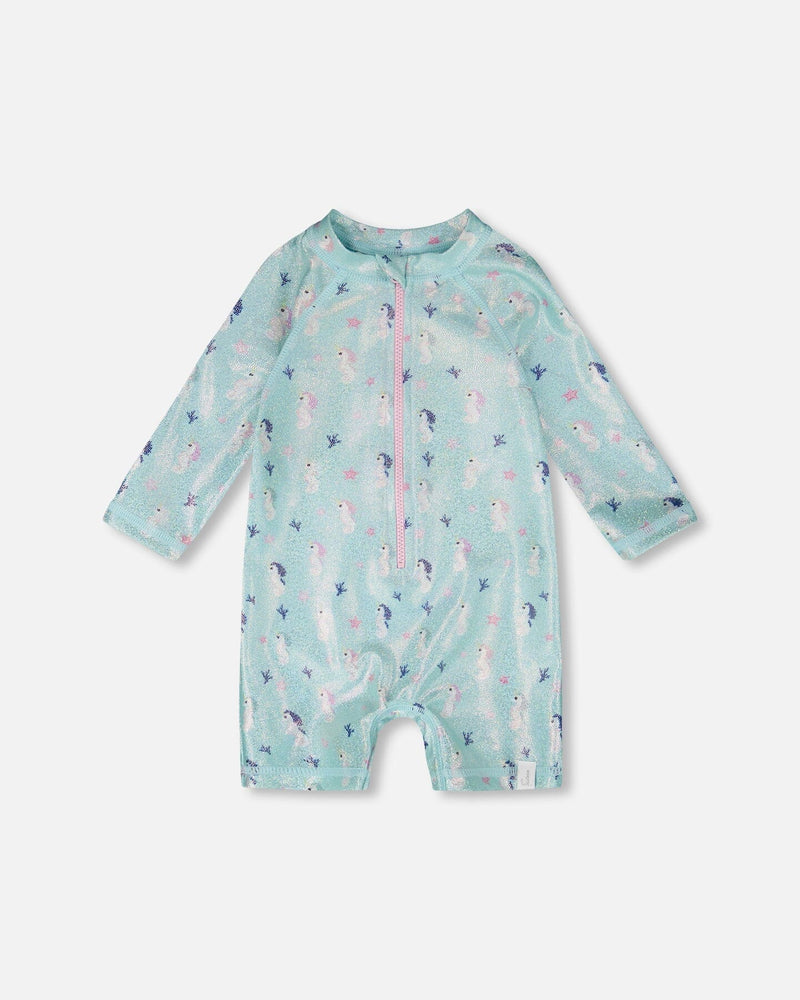
Next time you are picking out warm-weather pieces, run through this short list before adding anything to the cart:
- Flip the garment over and find the fibre content percentages first.
- Look for organic cotton, muslin or viscose near the top of that list.
- Check the laundry symbols, especially the hand wash and no dryer icons, to make sure the washing and drying instructions fit your routine.
- Consider the weave. Looser, lighter fabrics generally breathe better than dense, heavy ones.
- Keep an eye out for elastane in small amounts. It adds comfort for active kids without undermining breathability.
How Deux par Deux Builds Summer-Ready Pieces
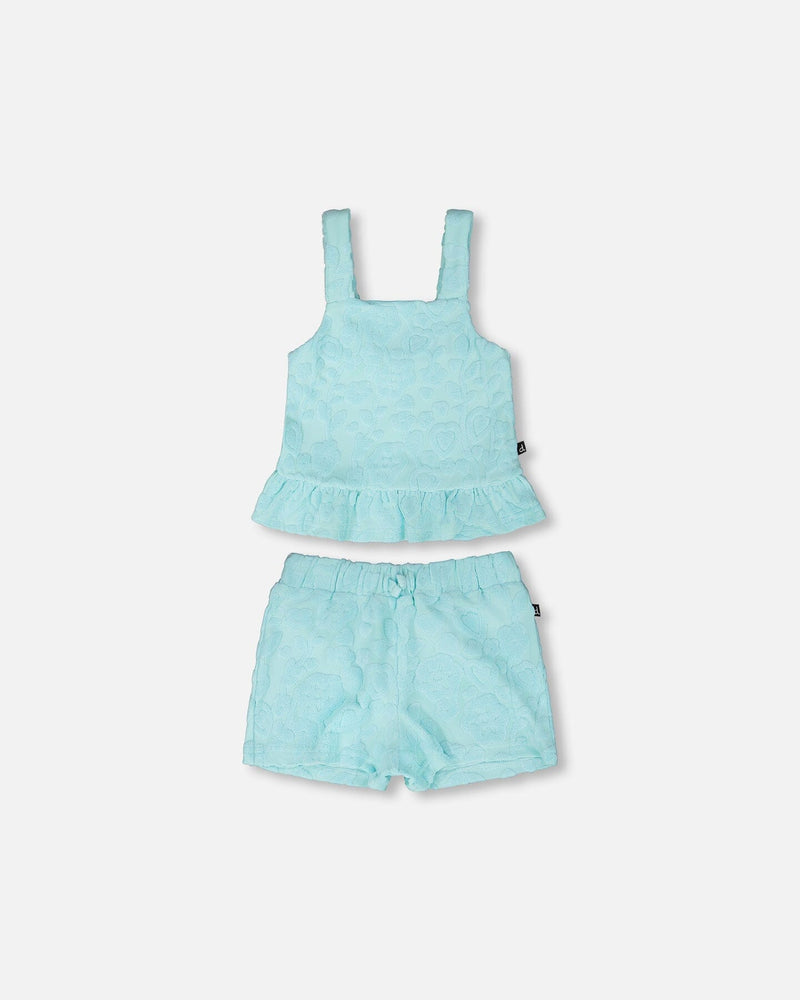
Fabric choice is not an afterthought for us, it is where every summer piece starts. Our girl organic cotton collection and boy organic cotton collection are built around exactly the kind of breathable, natural fibres that hold up to long summer days, from playground mornings to backyard evenings. Every label we sew in follows the same logic: clear fibre content up top, straightforward care instructions underneath, so you are never left guessing at checkout or at laundry day.
Making Label Reading Second Nature

Reading a clothing label only takes a few extra seconds, but it can be the difference between a garment your child wants to wear all season and one that ends up at the bottom of the drawer by July. The same goes for laundry symbols: once you know that dots mean temperature, a triangle deals with bleach and a circle points to dry cleaning, the whole tag stops looking like a secret code. Give it one more read next time you are folding laundry, and it will click faster than you expect.
And once a piece is truly outgrown rather than just faded, it does not have to go straight into the garbage. Earth911's clothing recycling guide is a useful reminder that sturdy summer clothes can usually find a second home instead.
Frequently Asked Questions
What do the symbols mean on my clothes tag?
The symbols on a clothes tag are care labels, a universal set of laundry symbols covering washing, bleaching, drying and ironing. A washtub icon relates to washing, a triangle relates to bleach, a square relates to drying and an iron shape relates to ironing. Dots inside these icons indicate temperature, while an X through any symbol means to avoid that action altogether.
What are clothing tags made of?
Most clothing tags are made from woven polyester or satin ribbon, sometimes printed cotton, chosen because they hold up to repeated washing without the text or symbols fading or peeling. Some brands print care information directly onto the fabric instead of sewing in a separate tag, which can feel softer against sensitive skin, something worth watching for in kids' pieces.
Do clothing tags go on the left or right?
There is no universal rule. In North America, tags are most commonly sewn into the left side seam of an item as worn, though this varies by brand and by item type. What matters most for comfort is not which side the tag sits on, but whether it is soft, tagless or printed directly onto the fabric, especially for children with sensitive skin.